The Patient Innovation Lab is a centralized hub for patient driven innovation by forming close partnerships among patients, caregivers, clinicians, engineers, and policymakers to design and scale digital tools that improve health outcomes and everyday life.
How this Works
The lab operates across four interconnected areas — from the first patient idea all the way through to policy change.
The lab works with more than 1,500 trained patient partners who collaborate on research, technology development, and policy initiatives.
We create and rigorously test digital tools that support chronic disease self-management — co-created with the communities who will use them to ensure they are accessible, effective, and trustworthy.
Our tools are evaluated in real-world settings — clinics, community programs, and patient homes. We study not just whether they work, but how they fit into the fabric of everyday healthcare delivery.
Findings from our research directly inform workforce development and health policy. We translate evidence into actionable recommendations that drive systemic, lasting change beyond individual interventions.
Innovation Pipeline
Every solution we build follows a clear path — rooted in lived experience and designed to scale.
Patient Pitch Program
Share an idea, a gap you've noticed, or a question no one has answered. We'll help you find the right people, resources, or team to explore it together.
Work With Us
We collaborate with patient organizations and patients to build digital health solutions.
You don't need a fully formed idea, a problem is enough. Whether you're a patient, caregiver, doula, clinician, or community member, if something in health or healthcare feels broken or unexplored, we want to hear from you.
Don't see your topic? That's exactly the kind of gap we're looking for.
Takes about 10 minutes. We'll follow up within two weeks.
Click to upload or drag and drop
PDF, DOCX, PPTX up to 10MB
Patient Partner Repository
Browse active and upcoming studies where community members have a real role — not just a slot in a recruitment log.
These are partnership roles, not participant slots. You'll have meaningful input on how research is designed and conducted.
Identifying early markers of Alzheimer's disease through digital behavioral signals — enabling earlier intervention before clinical symptoms emerge.
Supporting peer specialists and individuals living with serious mental illness through digital self-management tools co-created with the community.
Providing remote support to help older adults maintain independence at home — connecting them with tools and resources tailored to their needs.
Patient Engagement Strategy Engine
We co-created the first tool to operationalize the science of engagement by translating decades of research into structured, decision-making properties (e.g., level of engagement, power-sharing, population fit, and feasibility). Rather than offering generic guidance, the tool provides tailored, evidence-informed recommendations aligned with the needs of specific populations and real-world contexts.
Tell us about the population you're working with and what you're trying to accomplish. Our AI synthesizes evidence from the literature to recommend the engagement model most likely to succeed.
Choose the community type and research context from our pre-defined categories.
Tell us what matters most — trust-building, recruitment, cultural alignment, and more.
Receive a tailored model with an evidence summary, rationale, and links to the source literature.
Training Resources
Patient partnership is a skill — for researchers and community members alike. Access curated resources through the Partnership Academy and beyond.
Community-based participatory research (CBPR) involves community members as genuine partners in every phase of the research process — from identifying the question to disseminating results. Done well, it produces more relevant findings and more equitable outcomes. Training helps everyone understand their role and rights.
Whether you're a researcher learning how to meaningfully engage communities, or a community member who wants to know what to expect as a partner, the Partnership Academy has resources for you.
Visit Partnership Academy[Short description of what this resource covers and who it is for.]
[Short description of what this resource covers and who it is for.]
[Short description of what this resource covers and who it is for.]
[Short description of what this resource covers and who it is for.]
Innovation Accelerator
A structured program that brings together patients, researchers, and industry partners to rapidly develop and test healthcare innovations grounded in lived experience.
Selected teams receive mentorship, resources, and structured time to move from problem to prototype — with industry partners and potential stipend support along the way.
Submit your idea through the Patient Pitch Program. Selected ideas advance to review.
Our team evaluates pitches for feasibility, impact, and alignment with community needs.
Selected teams join a cohort with access to mentors, design resources, and industry connections.
Teams present prototypes to stakeholders, funders, and the broader Patient Innovation Lab community.
We're finalizing partnerships with the Magnuson Center and other collaborators. Sign up to be notified when applications open for our inaugural cohort.
Quality of Patient-Centered Outcomes Instrument
QPCOR doesn't ask whether engagement happened — it asks whether it mattered. As a validated measure of patient and community engagement quality, it helps distinguish meaningful partnerships from performative involvement. Higher QPCOR scores are consistently linked to sustained engagement over time.
Incorporating engagement approaches into patient-centered outcomes research/community-engaged research (PCOR/CEnR) in scientific studies produces more relevant research, increased uptake of research findings, and better clinical outcomes compared to traditional research. While research studies that engage participants produce more relevant outcomes, engagement can often leave patient partners feeling overburdened and disenfranchised. These effects can be compounded in historically underrepresented and/or disadvantaged populations but can be difficult to track or quantify. An accountability tool called the QPCOR was created to monitor equitable research partnerships. QPCOR is designed for anyone to complete it, as it does not require a postgraduate degree or even a high-school diploma to be able to read, understand, and confidently answer the survey questions.
Measuring holds individuals accountable to the engagement process and creates opportunities to improve engagement in real time, rather than only evaluating it at the end of a study
Why measurement matters
The development of the Quality of Patient-Centered Outcomes Research Partnerships Instrument included an iterative co-creation process with psychiatric patient stakeholders and scientists, including item formulation, followed by two phases of cognitive interviews with psychiatric patient stakeholders to assess and refine instrument items. A pilot study was conducted to assess acceptability and feasibility. The pilot study of the Patient-Centered Outcomes Research Partnerships Instrument suggested feasibility and acceptability among psychiatric patient stakeholders. The Quality of Patient-Centered Outcomes Research Partnerships Instrument may be a valuable tool to enhance the quality of community engagement research practices. We are currently testing the psychometric properties of the QPCOR.
Instructions: Consider your Patient-Centered Outcomes Research partnerships to date in one specific project and respond to each of the following questions on a scale from 0 = “No effort was made by researchers” to 10 = “Every effort was made by researchers”. You do not need to place your name on the instrument. Of note, implement this instrument at multiple time points throughout your study, including the beginning of PCOR and at one-month or three-month intervals depending on the length of the PCOR.
Write in a Score 0-10
Scoring: Items with a score of 60 or lower should be addressed by PCOR teams.
Citation: Fortuna, KL, Myers, A., Brooks, J, Collins-Pisano, C, Marceau, S, Pratt, S, Lyons, K, Walker, R, Thompson, S, Greene, K, Pringle, W, & Carter, K. (2021). Co-production of the quality of patient-centered outcomes research partnerships instrument for people with mental health conditions. Patient Experience, 8(1), 148-156. doi: 10.35680/2372-0247.1533

Services
Five ways we partner with patients, clinicians, organizations, and policymakers to move innovation forward — together.
Build an advisory board or a co-creation team for your work.
Learn the latest on the science of engagement and receive an experiential training in community-based participatory research with patients at your side.
Build solutions with the people they are meant to serve.
Validate in real-world settings — not just labs.
Implement sustainably across systems.
We work with patients, health systems, community organizations, industry partners, and policymakers to move innovation from concept to real-world impact.
Our Team
A multidisciplinary team of clinicians, computer scientists, engineers, designers, and patient advocates working together to transform how research is done.
Our Mission
The Patient Innovation Lab partners with patients as equal leaders — not participants — in research and innovation. We focus on those most often left out of research: the most vulnerable, the hardest to reach, and the hardest to engage. Using the science of engagement and participatory human-centered design, we co-create scalable, real-world solutions that improve health and transform care. Through a national network of community-based sites, we test and refine these tools in real-world settings to ensure they are practical, effective, and built for real-world adoption at scale.
Director
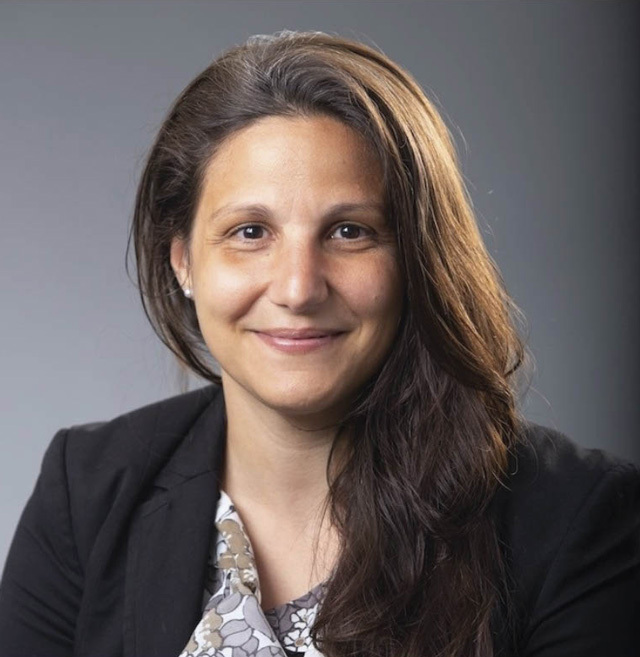
Associate Professor at Dartmouth's Geisel School of Medicine and licensed clinical social worker. Pioneer of the field of "digital peer support," with 130+ peer-reviewed publications and 30+ funded research projects from PCORI, NIMH, and others. Former Chair of PCORI's Patient Engagement National Advisory Council; member of the National Academies of Sciences standing committee on Primary Care and Whole Health.
Faculty
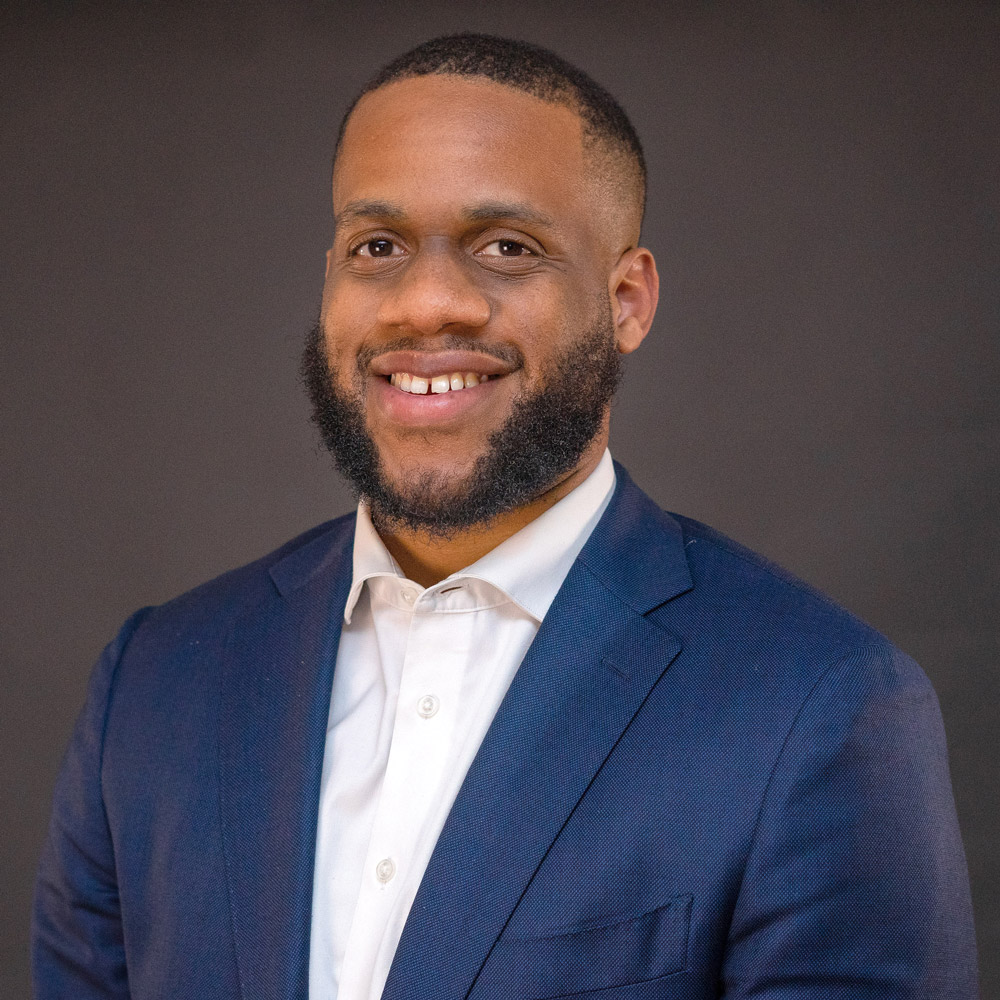
Assistant Professor at Dartmouth specializing in human–computer interaction, digital health, and social computing.
Department of Biostatistics, NYU School of Global Public Health.
Faculty Director, Center for Health Care, Tuck School of Business, Dartmouth College.
Chief AI Officer, Violet Studios Technologies, Inc.
Governance Board
LCSW, Assistant Vice President of Critical Care Services, The Bridge.
Details coming soon.
Research Fellows
HCI & Computer Science PhD Candidate, Dartmouth College
HCI & Engineering PhD Candidate, Dartmouth College
MPH '25, Policy Strategist
Stamps Scholar & BA Neuroscience '26, Dartmouth College
MPH Candidate '26, Geisel School of Medicine, Dartmouth College
MA Child Study & Human Development Candidate '27, Tufts University
LCSW, LCAC, C-ASWCM, CCM
BS '21, Cornell University; MPH Candidate '26, Geisel School of Medicine, Dartmouth College
MPH Candidate, Geisel School of Medicine, Dartmouth College; BS Human Biology, Health, and Society, Cornell University
MPH Candidate '26, Geisel School of Medicine, Dartmouth College